
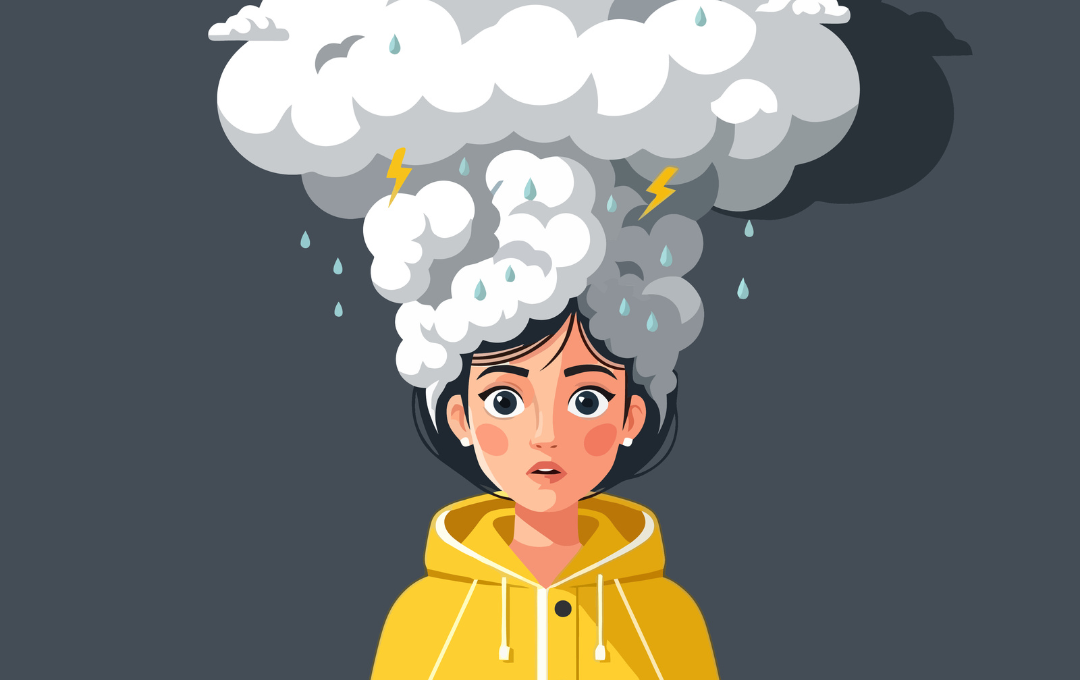
At Little Miracles Pediatrics, we know that the emotional health of children and teens is very
important for their growth. Identifying anxiety and depression early can prevent the problem
from getting worse and affecting the whole family.
When a child doesn’t feel well emotionally, they may have trouble focusing in school, getting
along with friends, or enjoying their daily activities.
Sometimes anxiety and depression are not easy to notice. The changes can be small and may
look like “normal growing up.” But learning to recognize these signs helps families get support
early and improve the child’s well-being.
In this blog, we will talk about automatic thoughts, how they affect anxiety and depression, and
how Cognitive Behavioral Therapy (CBT) can help.
What Are Automatic Thoughts?
Automatic thoughts are ideas that pop into our minds without us trying to think about them.
They are fast, and many times we believe them without questioning them.
Some thoughts can be positive, but when they are negative or exaggerated, they can cause
sadness, fear, or anger.
It is important to know that these thoughts begin to form between ages 7 and 11, when children
start thinking more about themselves and the world around them.
Doctors, counselors and Psychologists help children and teens recognize these thoughts and
replace them with more realistic and healthy ones.
In anxiety, automatic thoughts often focus on fear or the belief that something bad will happen,
even if it’s not true. Many children fear being judged, embarrassing themselves, or making
mistakes. A common example is thinking the worst, such as: “If I make a mistake, the coach will
take me out, and I won’t be able to play anymore.”
In depression, automatic thoughts are often very negative about oneself, the world, and the
future. Some examples are: “I’m a failure,” “I’m not good at anything,” “Nothing will get better.”
These thoughts can cause sadness, low self-esteem, and problems at school or at home.
How Does Cognitive Behavioral Therapy (CBT) Help?
CBT is one of the most effective treatments for changing automatic thoughts.
It helps children and teens:
Identify what they are thinking
Check if the thought is true
Replace it with a more realistic and positive thought
This helps improve mood and reduce symptoms of anxiety and depression.
Anxiety and depression are not “phases” that children simply grow out of. They are real
problems that affect their well-being and daily life. Identifying automatic thoughts early can help
a lot. If you notice your child is more sad, worried, irritable, withdrawn, or struggling in school,
it’s important to seek help. Asking for support is not a sign of weakness; it is an act of love.
At Little Miracles Pediatrics, we invite parents who think their child may be struggling with
anxiety or depression to schedule an appointment with their pediatrician. We can evaluate their
situation, guide you, and create a treatment plan that supports the whole family. Emotional
well-being is health too.
We are here to help your child every step of the way.